Most couples meet wedding videography packages as three columns on a PDF, named after metals or flowers, with the hours going up from left to right. The names tell you nothing. What matters is what each line actually buys: how many hours, how many people holding cameras, which films come back and how long they run, and what you pay when the reception runs late. This page goes through a package the way a videographer builds one, so you can line up three quotes and see the real difference.
What sits inside a typical package
- Hours of coverage, usually 6 to 10, counted from when the camera arrives at the getting ready room.
- One or two shooters. A second operator means the groom's side and the bride's side are both filmed, and the vows get a second angle.
- A highlight film of 3 to 6 minutes, cut to music.
- The full ceremony and speeches, edited from start to finish with the clean audio.
- A teaser of under a minute, often vertical, sent within a week or two.
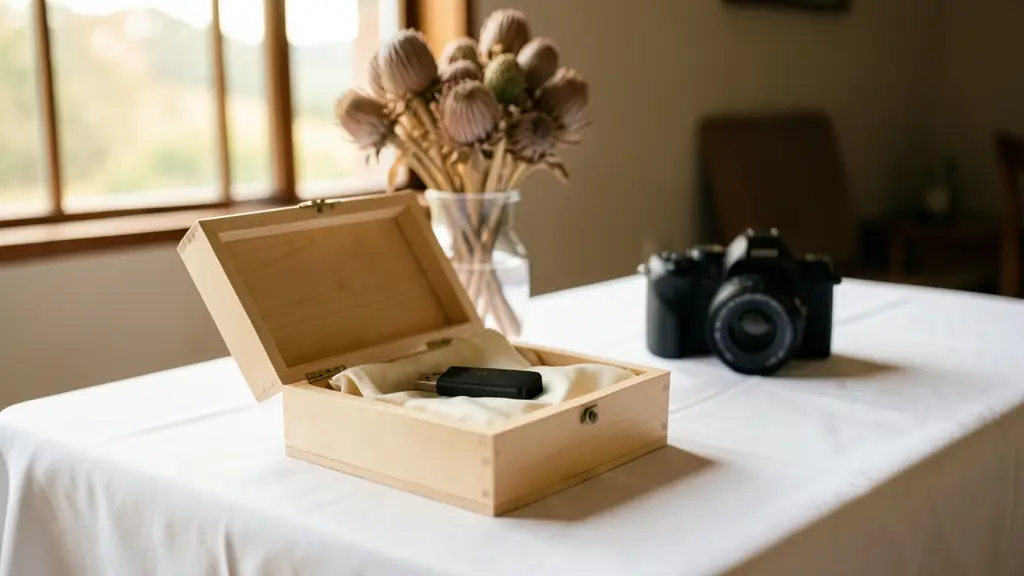
- Delivery on a USB in a box, an online download link, or both.
Drone footage and raw footage are where packages split most. Check which column includes them.
Add ons that change the total
The common extras are a same day edit shown at the reception, a second location such as a lobola or a church across town, a longer documentary edit of 20 to 60 minutes, aerials, and travel outside the metro with a night's accommodation. A drone needs an operator with SACAA paperwork and the venue's permission, so ask whether the package price assumes both. Raw footage sounds free, but two cameras over a long day can fill several hundred GB; work it out with the footage storage calculator and ask who supplies the drive.
Overtime and the hours you actually need
The mistake we see most is booking 6 hours for a day that runs 11. Write out your timeline: hair and makeup, the ceremony, photos, the entrance, speeches, first dance. Put it into the wedding video timeline planner and you will see where the package ends. Overtime is usually charged per extra hour, sometimes at a higher rate after midnight. Ask the rate before the day, not at 10 pm when the best man is still talking.
Booking, deposits and combined photo packages
Saturdays in the spring and summer months book out first, often close to a year ahead. A deposit holds the date and is usually not refundable if you cancel, so read that clause. Many studios sell a combined photo and video package; it can save on coordination, and the trade offs are covered on photography and videography. For a broader view of what drives the price, see videography prices.
What to put in your request
- Give the date, the venue and the start time
- Say how many hours the day really runs
- List the films you want and their lengths
- Mention a lobola or second location
- Ask for the overtime rate per hour
Wedding Videography Packages: who asks for them and why
- Couples and their families: a package with two shooters, a full ceremony edit and enough hours for the dancing
- Families: matric dances, 21sts, memorials: a smaller package for a vow renewal or a christening with a short film afterwards
- Companies, SMEs and agencies: a staff year end function booked on a simple hours and highlight film basis
- Event organisers, venues and conference planners: venues that recommend a few studios and need to know what each package covers
- YouTubers, podcasters and content creators: wedding filmmakers building a clear set of packages that clients can compare easily
- Musicians, bands, DJs and choirs: a band at the reception asking whether their set appears in the highlight film
- Estate agents, developers, lodges and venues: wedding venues listing which packages allow drone footage over their gardens
- Churches, schools, NGOs and sports clubs: a church wedding where the package must allow for the minister's filming rules