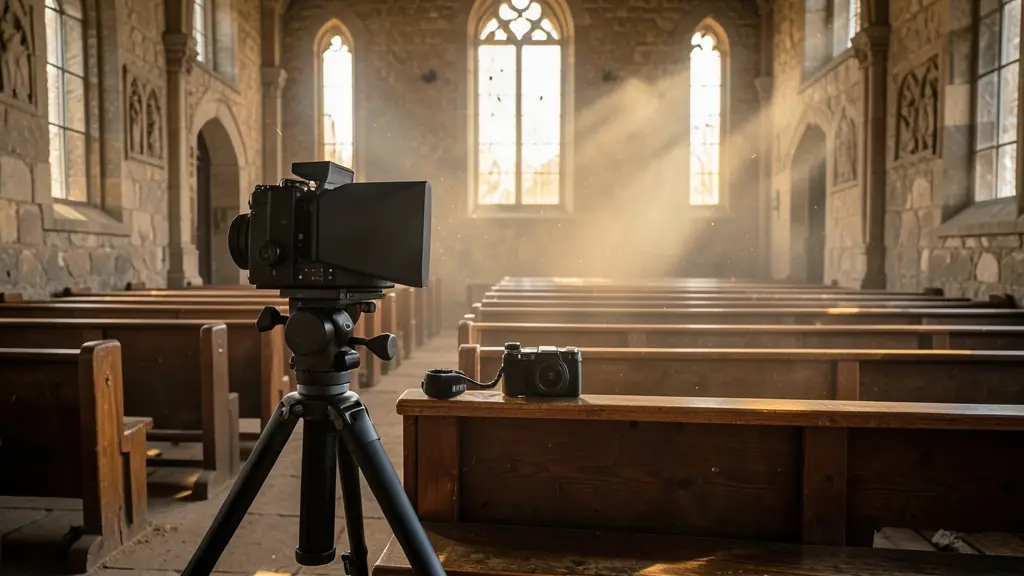
In South Africa the two words are often used for the same job. One studio calls itself a wedding cinematographer, the one down the road says videographer, and both may turn up with the same camera. Still, there is a real difference in approach. Videography vs cinematography is mostly about how much is planned: recording what happens as it happens, or designing shots, light and story ahead and editing them like a short film. Knowing which you want helps you brief the crew and read their showreel.
Two ways of filming the same moment
Videography in the classic sense is coverage. The camera follows the event, keeps the whole speech, and makes sure nothing important is missed. A cinematic approach chooses. It films the bride's hand on the banister at golden hour, plays it back slowly, cuts the vows over it and drops half the day. Both are honest work. The first gives you the record, the second gives you a feeling. Many good operators deliver both: a story edit and a full edit from the same footage.
What the cinematic look needs
- Shallow depth of field from fast lenses, so the background melts; see videography lenses.
- Slow motion shot at 50 fps and played back at 25.
- Movement on a gimbal or slider rather than handheld.
- Light chosen and shaped, which matters more than the camera body.
- A colour grade and a story edit, which take far longer than the filming.
The field of view calculator shows how lens and sensor change what fits in the frame.
Which suits your shoot
A conference keynote, an AGM or a church service needs coverage: every word, steady and clear. A product launch film, a brand piece or a music video usually wants the planned, cinematic approach with a shot list. A wedding can go either way, and most couples want a short cinematic highlight plus the full ceremony as plain coverage for the family. Corporate clients often split it too: a graded two minute brand piece for the website, and the whole town hall meeting recorded flat for staff who missed it. Decide this before the shoot, because the crew, the lenses and the shot list change with it.
Why the label matters less than the reel
The word on the website is marketing. A crew that says cinematic but cannot keep a speech in focus has sold you a look without the basics. Ask for one full film, check the sound, and look at how the shots hold together when nothing dramatic is happening. The slow motion confetti is easy. Clear sound during a windy garden ceremony and steady framing through a forty minute speech are where skill shows.
What to put in your request
- Say whether you want coverage, story or both
- Share two films whose style you like
- Say which moments must be kept in full
- Ask how long the story edit takes
- Ask whether colour grading is included
Videography vs Cinematography: who asks for them and why
- Couples and their families: a short cinematic highlight with the full ceremony kept as plain coverage for family
- Families: matric dances, 21sts, memorials: a 21st filmed as a simple record of the speeches, with a short mood edit
- Companies, SMEs and agencies: a brand film with a shot list and grade, and training videos shot as plain coverage
- Event organisers, venues and conference planners: the keynote recorded in full and a cinematic recap of the evening for social
- YouTubers, podcasters and content creators: a channel moving from talking head coverage to planned shots and a proper grade
- Musicians, bands, DJs and choirs: a music video with a treatment, lighting plan and slow motion performance shots
- Estate agents, developers, lodges and venues: a lodge film with planned golden hour shots instead of a quick walkthrough
- Churches, schools, NGOs and sports clubs: a church service filmed as steady coverage so every word of the sermon is kept